Edge Wear
Rougher substrates and harder residues reduce edge sharpness faster with each stroke.


Where each material family performs best
Operational guidance from field use
| Spec | HYL | PRO | MBL | GPO | BIN |
|---|---|---|---|---|---|
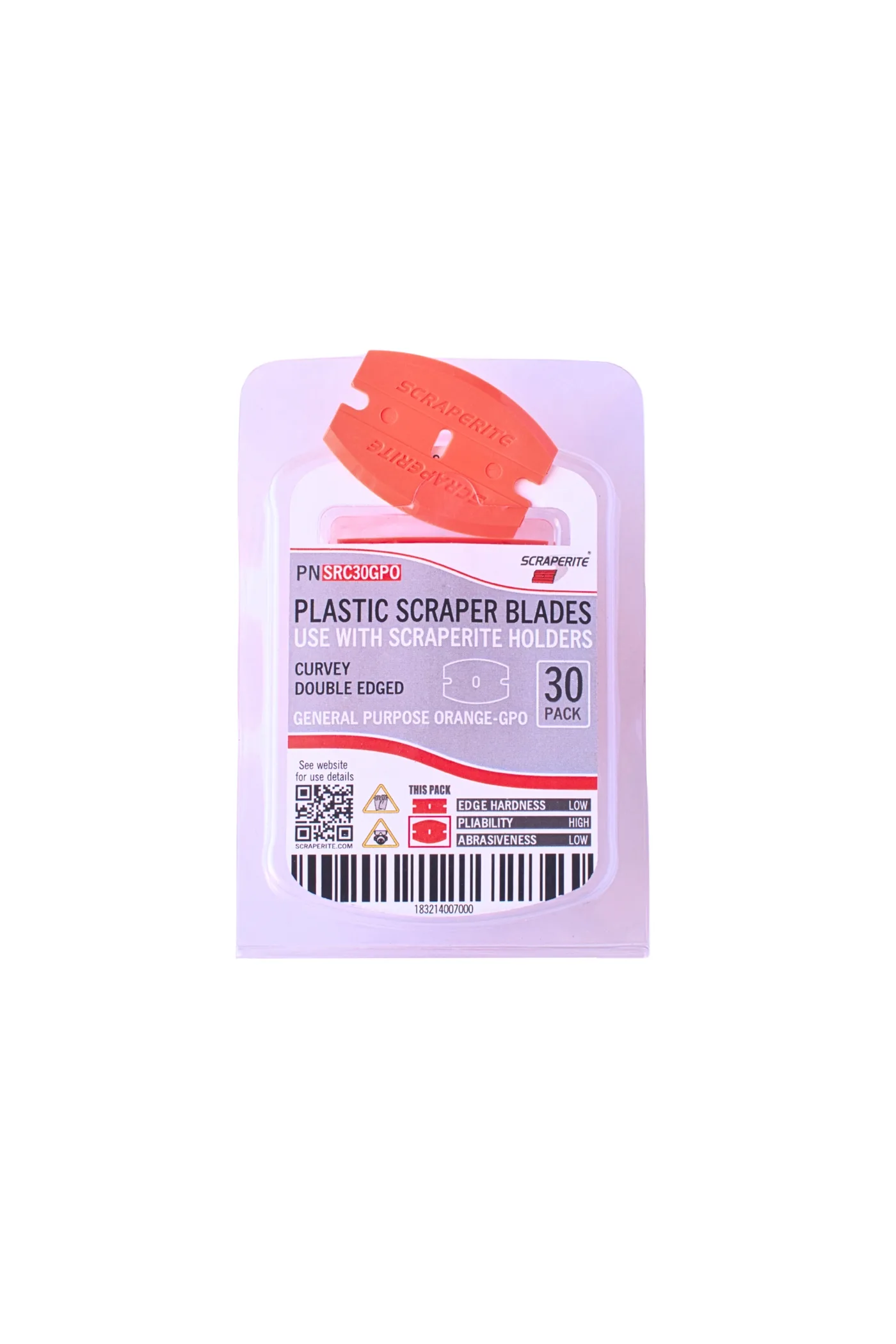
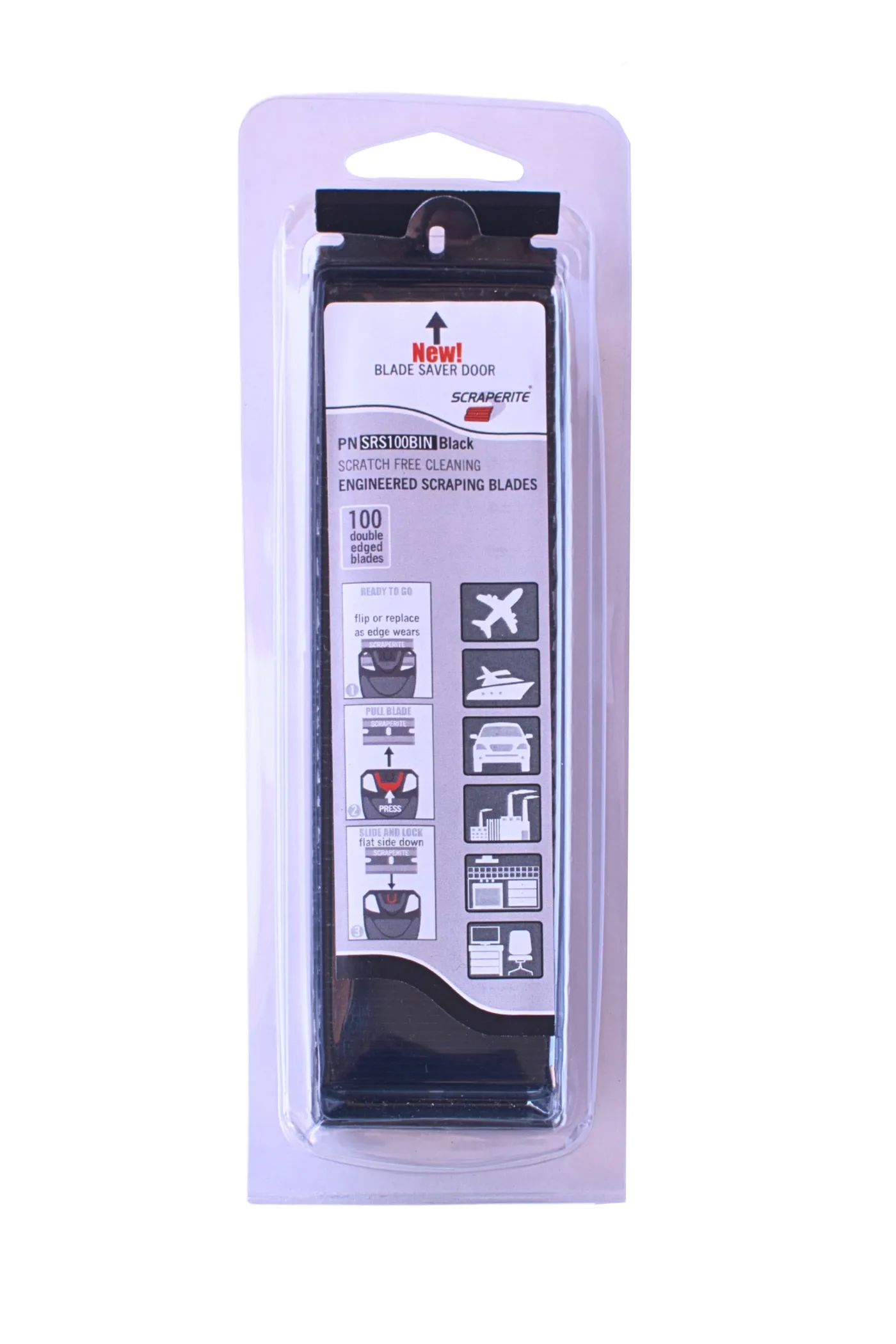
| Edge Hardness | Hard | Med | Med | Med | Soft |
| Pliability (1-10 hard) | 7 | 6 | 3 | 5 | 2 |
| Abrasiveness | High | Med | Med | Med | Low |
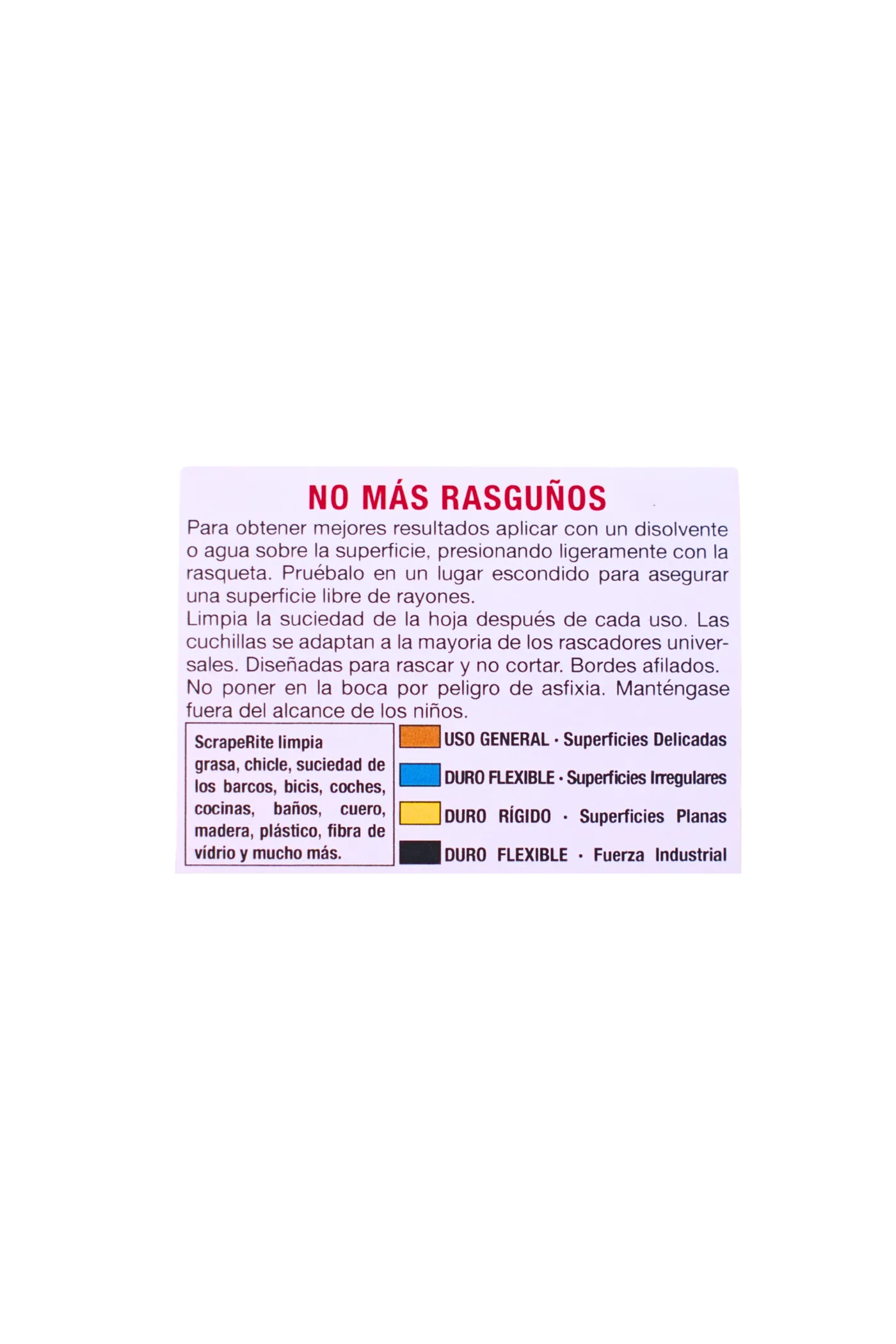
| Delicate Soft | - | - | Yes | Yes | Yes |
| Uneven or Wavy | - | Yes | Yes | Yes | - |
| Hard Flat | Yes | Yes | - | - | - |
| Uneven or Rough Finish | - | Yes | Yes | - | Yes |
| Min Temp (C/F) | -40 / -40 | -40 / -40 | -40 / -40 | -50 / -58 | -40 / -40 |
| Max Temp (C/F) | 65 / 149 | 140 / 289 | 118 / 246 | 49 / 120 | 80 / 176 |
Always validate with a small test area and the exact chemical mix used in production.
What changes results in the field
Rougher substrates and harder residues reduce edge sharpness faster with each stroke.
Solvents drive polymer breakdown risk; composition choice is as important as holder choice.
Best handling and edge control typically occur around 25 to 30 degrees.
Higher pressure boosts bite but can increase wear and scratch risk on sensitive surfaces.
Operational availability by SKU